
Beautiful Plants For Your Interior

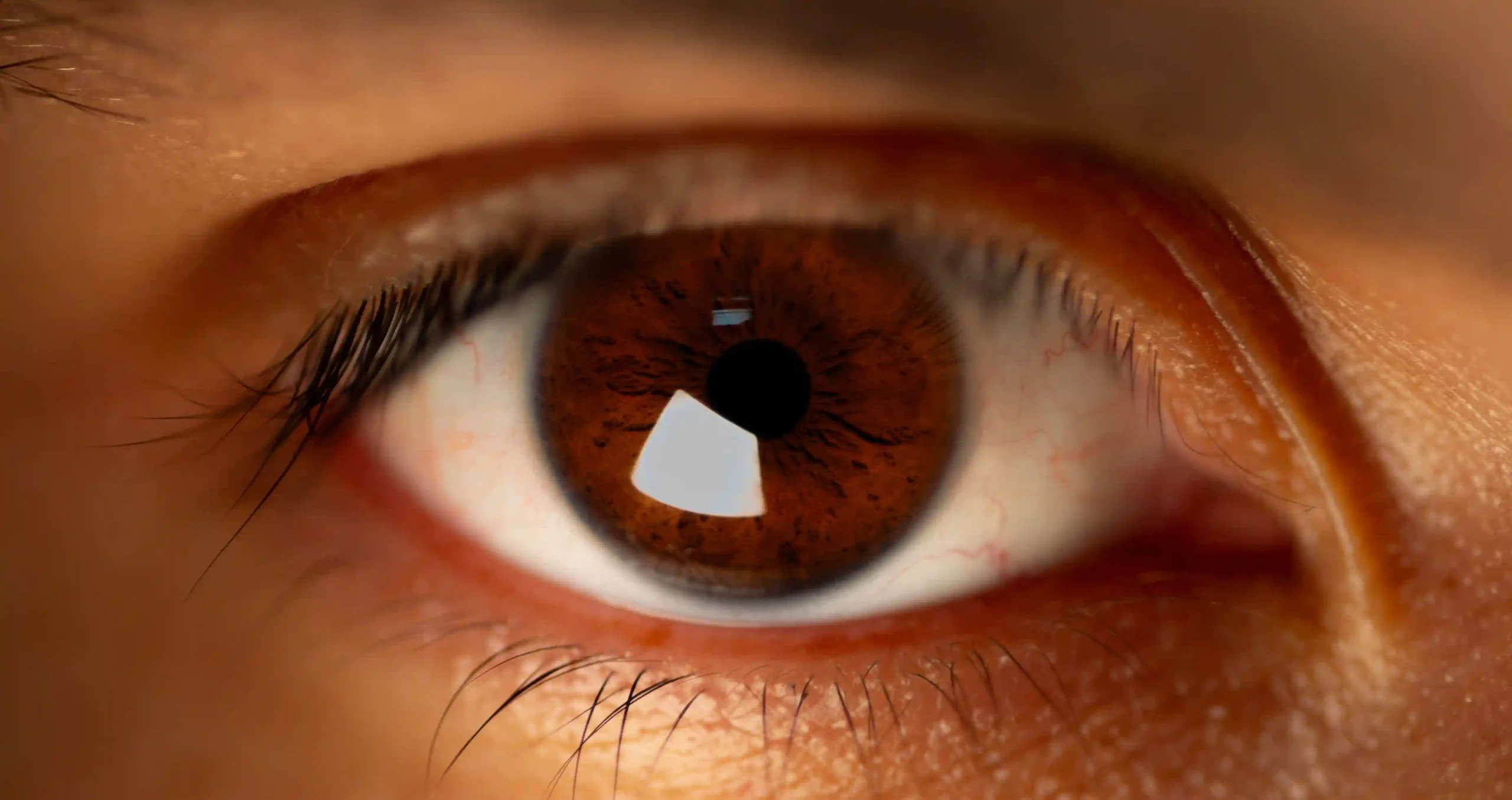
Improve eye health naturally – from checking our phones first thing in the morning to staring at a computer for hours, our eyes are constantly taking in information.
The good news is that caring for your eyes doesn’t have to be complicated. A healthy diet, regular movement, good screen habits, protection from the sun and regular eye care can all play a role in protecting your vision. The National Eye Institute recommends several of these everyday habits as part of healthy vision. (National Eye Institute)
And when it comes to natural remedies, it’s important to separate useful habits from internet myths. No food, herb or home remedy can magically restore lost vision or cure an eye disease. Instead, think of natural ingredients as part of a lifestyle that supports your overall health, aiding in boosting vision.
Here are 10 natural ways to take better care of your eyes.
Your eyes need nutrients just like the rest of your body.
Dark leafy vegetables such as spinach, kale and collard greens are specifically recommended by the National Eye Institute as part of an eye-healthy diet. (National Eye Institute)
You don’t have to eat a huge bowl of salad every day either.
Try adding spinach to an omelette, mixing leafy greens into a curry, or adding kale to a smoothie or soup.
Simple habit: Add at least one serving of leafy greens to one meal each day. This can help in improving your eye health naturally.
Affiliate product – Dried Organic Curry Leaves
We’ve all heard the saying, “Eat your carrots — they’re good for your eyes.”
There is some truth behind the idea. Carrots contain beta-carotene, which the body can convert into vitamin A. Vitamin A is important for normal vision and helps to improve your eye health.
But here’s something interesting: carrots aren’t the only food that matters for eye health.
The National Eye Institute also recommends foods such as leafy greens and fish containing omega-3 fatty acids. (National Eye Institute)
So don’t feel like you need to eat carrots at every meal. Instead, aim for a varied and colorful diet.
Affiliate product – Carrot chopper machine
If you enjoy fish, here’s another reason to keep it on your menu.
Fish such as salmon, tuna and halibut are rich in omega-3 fatty acids and are among the foods recommended by the National Eye Institute for healthy vision. (National Eye Institute)
You could try:
If you don’t eat fish, don’t feel pressured to change your diet overnight. A varied diet containing nuts, seeds, vegetables and other nutritious foods can still be part of a healthy lifestyle.
Affiliate product – Omega 3 fish oil pills
Let’s be honest — most of us spend far too much time looking at screens.
Whether you’re working on a computer, studying, watching videos or scrolling through social media, staring at a screen for long periods can leave your eyes feeling tired.
One simple habit recommended by the National Eye Institute is the 20-20-20 rule:
Every 20 minutes, look at something about 20 feet away for at least 20 seconds. (National Eye Institute)
It’s incredibly simple.
Set a reminder if you tend to forget, or use natural pauses in your work as an opportunity to look away from the screen, improve your eye health naturally.
Affiliate product – Eye protection glasses – screens and monitors
Sun protection isn’t only about your skin.
The sun’s ultraviolet (UV) radiation can also affect your eyes. The National Eye Institute recommends sunglasses that block 99–100% of UVA and UVB radiation. (National Eye Institute)
So before heading outdoors on a bright day, grab your sunglasses.
A wide-brimmed hat can provide additional protection too.
And yes, even cloudy days can expose you to UV radiation, so sunglasses aren’t just a summer accessory.
Affiliate product – Polarized sunglasses for men and women
You might be wondering:
“What does walking have to do with my eyes?”
Quite a bit, actually.
Regular physical activity supports overall health, including your eye health and can help reduce the risk of conditions such as diabetes and high blood pressure, which can affect eye health. (National Eye Institute)
You don’t need to become a marathon runner.
A brisk walk, cycling, dancing, swimming or simply being more active during the day can be a great starting point.
Try this: Take a 20–30 minute walk after dinner instead of immediately sitting down with your phone.
Affiliate product – Motorized treadmill
Water isn’t a miracle cure for eye problems, but staying adequately hydrated is an important part of looking after your body.
If you often experience dry or uncomfortable eyes, don’t automatically assume you simply need to drink more water. Dry eye can have many causes, and the National Eye Institute recommends several measures depending on the cause, including taking screen breaks and avoiding smoke, wind and overly dry environments. (National Eye Institute)
Still, keeping water nearby throughout the day is an easy healthy habit.
Try this: Keep a reusable water bottle beside your desk.
Affiliate product – Milton aura thermosteel waterbottle green
One of the easiest ways to improve your diet is to eat a wider variety of fruits and vegetables.
Think about adding:
Different foods provide different nutrients, so variety is more useful than relying on one “superfood.”
The National Eye Institute recommends a balanced diet with fruits and vegetables, particularly leafy greens, as part of maintaining healthy vision. (National Eye Institute)
Affiliate product – Aanya Homecraft Acacia Wooden Salad Bowl
This is an important one for anyone interested in natural remedies.
You may come across online suggestions involving honey, lemon juice, herbal extracts, essential oils or other kitchen ingredients being placed directly into the eyes.
Please don’t experiment with these.
Your eyes are extremely sensitive, and substances that are safe to eat aren’t necessarily safe to put into your eyes.
Natural does not automatically mean safe.
If your eyes are red, painful, irritated or producing unusual discharge, it’s better to speak with an eye-care professional than to experiment with a homemade remedy.
Affiliate product – Vilvah Under Eye Cream
This might not sound like a “natural remedy,” but it’s arguably the most important habit on this list.
You can eat well, exercise, wear sunglasses and take screen breaks — and still develop an eye condition without noticing obvious symptoms.
The National Eye Institute says a comprehensive dilated eye exam is the best way to detect many eye diseases early, when they may be easier to treat. (National Eye Institute)
How often you need an eye exam depends on factors such as your age, health history and risk factors.
If you notice sudden vision changes, flashes, new floaters, eye pain, double vision or significant redness, don’t rely on home remedies. Seek professional medical attention. (CDC)
Affiliate product – Sreedhareeyam Ayurveda Sunetra Regular Herbal Eyedrops Pack
You don’t have to completely change your lifestyle to start taking better care of your eyes.
Try this simple routine:
Morning:
Drink some water
Have a nutritious breakfast
Use sunglasses when you’re outdoors
During the day:
Include vegetables in your meals
Get some physical activity
Follow the 20-20-20 rule when using screens
Evening:
Include a nutritious source of protein and healthy fats
Give yourself some screen-free time
Get enough sleep and maintain a consistent routine
None of these habits will give you “perfect vision” overnight — and that’s not the goal.
The goal is simply to give your eyes the best possible environment to stay healthy over time.
When it comes to improving natural eye health, it’s easy to fall into the trap of looking for a single magical ingredient.
There isn’t one.
Carrots aren’t a cure for poor eyesight. Turmeric won’t magically restore vision. And no herbal tea can replace proper treatment for an eye disease.
Instead, think bigger.
A balanced diet, nutritious ingredients, regular movement, UV protection, sensible screen habits and appropriate eye examinations all work together as part of a healthy lifestyle.
At HerbBits, we believe natural wellness should be about making simple, sustainable choices — without making exaggerated health claims.
And remember: if you’re experiencing changes in your vision or have an existing eye condition, speak with a qualified eye-care professional rather than relying on home remedies.
Check out our services , blogs and click here to know more about herbbits and our diet plans / products.
Disclaimer: This article is for general educational purposes only. It is not intended to diagnose, treat, cure or prevent any disease. Natural ingredients and supplements can also have side effects or interact with medications. Always consult a qualified healthcare professional for advice specific to your situation.
