
Beautiful Plants For Your Interior
Healthy lifestyle habits – we all know the obvious health advice: eat your vegetables, exercise regularly, and get enough sleep. But when it comes to living a healthier life, it’s often the small, everyday habits that get overlooked.
You don’t necessarily need an expensive gym membership, a complicated diet, or a cupboard full of supplements to start taking better care of yourself. Sometimes, improving your health begins with something as simple as drinking enough water, going for a short walk, or putting your phone away before bed.
Here are 10 healthy lifestyle habits that are surprisingly easy to ignore — but worth making part of your routine.
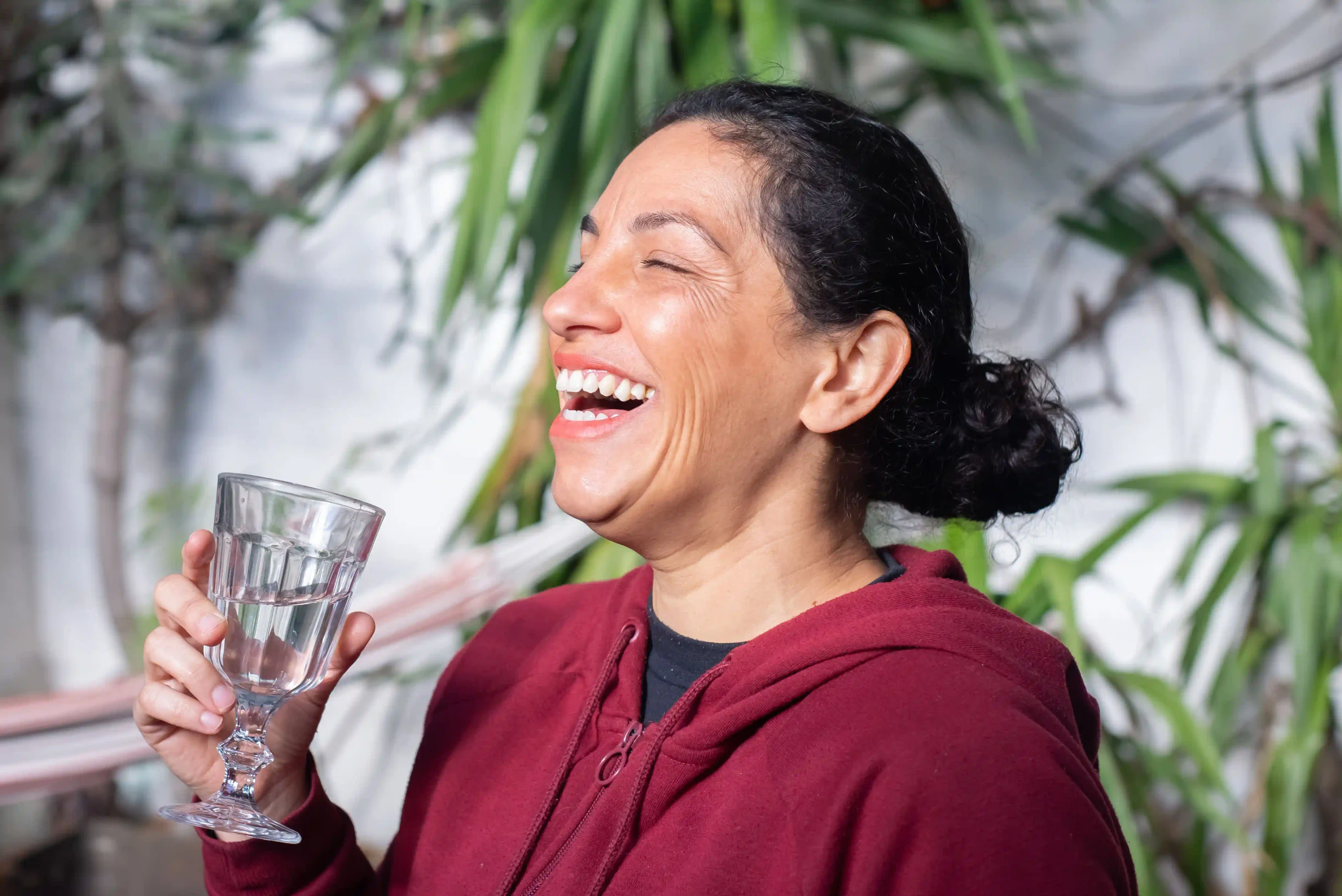
It’s easy to get busy and realize at the end of the day that you’ve barely had any water.
Water plays an important role in everyday bodily functions, and staying hydrated is a simple part of maintaining your overall wellbeing. Instead of waiting until you’re extremely thirsty, try keeping a water bottle nearby and sipping regularly throughout the day.
A simple trick? Keep water where you can see it. On your desk, beside your bed, or in your bag.
You don’t need to turn hydration into another stressful task. Just make water an easy choice.
When people think about exercise, they often imagine running, weightlifting, or intense gym sessions.
But movement doesn’t have to be complicated.
Walking to the shop, taking the stairs, doing household chores, gardening, or taking a walk after dinner all count as physical activity. The World Health Organization recommends that adults get at least 150 minutes of moderate physical activity per week, with additional benefits associated with more activity. (World Health Organization)
So if you’re not a gym person, don’t worry.
Start with a walk.
Even a short daily walk can be a much more realistic starting point than promising yourself you’ll suddenly work out for two hours every day.
“Just one more episode.”
“Let me scroll for five more minutes.”
We’ve all been there.
Sleep is often the first thing we sacrifice when life gets busy, but your body needs adequate sleep to function properly. The CDC notes that most adults need at least seven hours of sleep each night. (CDC)
Try creating a simple bedtime routine:
You don’t have to become a perfect sleeper overnight. Start by giving your bedtime a little more respect.
Healthy eating isn’t simply about eating less.
It’s also about what you’re actually putting on your plate.
According to the WHO, a healthy diet is based on principles such as adequacy, balance, moderation, and diversity. A varied diet can include vegetables, fruits, legumes, whole grains, nuts and other nutritious foods. (World Health Organization)
Instead of obsessing over one “superfood,” try adding more variety to your meals.
For example, you could add:
Healthy eating doesn’t have to mean boring eating.
Here’s one that’s incredibly easy to forget.
You can exercise regularly and still spend most of your day sitting.
If your work or studies involve sitting for hours, try building small movement breaks into your day. Stand up, stretch, walk around the room, refill your water bottle, or take a short walk outside.
You don’t need to completely redesign your lifestyle.
Think of it as adding little moments of movement to a day that would otherwise be spent sitting.
WHO guidelines emphasize that physical activity can come from many parts of everyday life, including transportation, work, leisure and household activities. (World Health Organization)
Your toothbrush probably gets plenty of attention, but oral health is sometimes forgotten when people talk about overall wellness.
Brushing your teeth and maintaining good oral hygiene should be part of your everyday routine. It’s also worth keeping up with regular dental care rather than waiting until something hurts.
The CDC recommends regular preventive care, including dental cleanings and routine checkups, as part of staying healthy and catching potential problems early. (CDC)
So yes, looking after your teeth counts as looking after yourself.
It’s such a basic healthy lifestyle habits that many of us barely think about it anymore.
But proper handwashing remains one of the easiest ways to reduce the spread of germs.
The CDC recommends washing your hands with soap and clean, running water and scrubbing for at least 20 seconds. If soap and water aren’t available, an alcohol-based hand sanitizer containing at least 60% alcohol can be used. (CDC)
Especially remember to wash your hands:
It’s a tiny habit, but one that can make a meaningful difference.
Health isn’t only about food and exercise.
People matter too.
Calling a friend, having dinner with your family, chatting with a neighbour, or simply spending some quality time with someone you care about can be good for your overall wellbeing.
WHO highlights social connection as an important part of health and wellbeing, while social isolation and loneliness are associated with negative effects on both physical and mental health. (World Health Organization)
So don’t feel guilty about making time for the people you love.
That conversation over a cup of tea might be more valuable than you think.
We’re constantly surrounded by notifications, messages, videos and information.
Sometimes, your brain simply needs a break.
You don’t have to spend an hour meditating to make this habit useful. Start small.
Try spending 10–15 minutes without your phone. Sit outside. Take a slow walk. Read a book. Listen to music. Work in your garden. Or simply do nothing for a few minutes.
Harvard Health identifies stress management and relaxation alongside movement, nutrition, sleep and social connection as important components of a healthy lifestyle. (Harvard Health)
The goal isn’t to completely eliminate stress — that’s probably unrealistic.
It’s to give yourself regular opportunities to slow down.
This might be the most overlooked habit of all.
Many people only think about healthcare when something feels wrong.
But preventive care is about looking after your health before a problem becomes obvious.
Routine checkups, recommended screenings, vaccinations, dental visits and discussions with healthcare professionals can help identify potential problems early. Exactly what you need depends on factors such as your age, medical history and individual risk. (CDC)
And remember: online health articles can be useful for education, but they aren’t a substitute for personalized medical advice.
You don’t need to completely transform your life tomorrow.
In fact, trying to change everything at once can make healthy living feel exhausting.
Instead, choose one or two habits from this list and start there.
Drink a little more water.
Take a daily walk.
Go to bed a little earlier.
Eat a few more vegetables.
Put your phone away for a while.
Call someone you care about.
Small habits may not feel impressive when you do them once.
But when you repeat them day after day, they can become part of the way you live.
And that’s what a healthy lifestyle habits are really about — not perfection, but consistency.
At HerbBits, we believe that taking care of yourself doesn’t always have to be complicated. Many healthy choices can start with simple foods, everyday routines and a little more awareness of how we treat our bodies.
However, everyone’s health needs are different. The information in this article is intended for general educational purposes only and should not be considered medical advice. If you have a health condition, take medication, are pregnant, or are unsure whether a particular lifestyle change is appropriate for you, speak with a qualified healthcare professional.
Check out our services, blogs, products and click here to learn more about herbbits.
